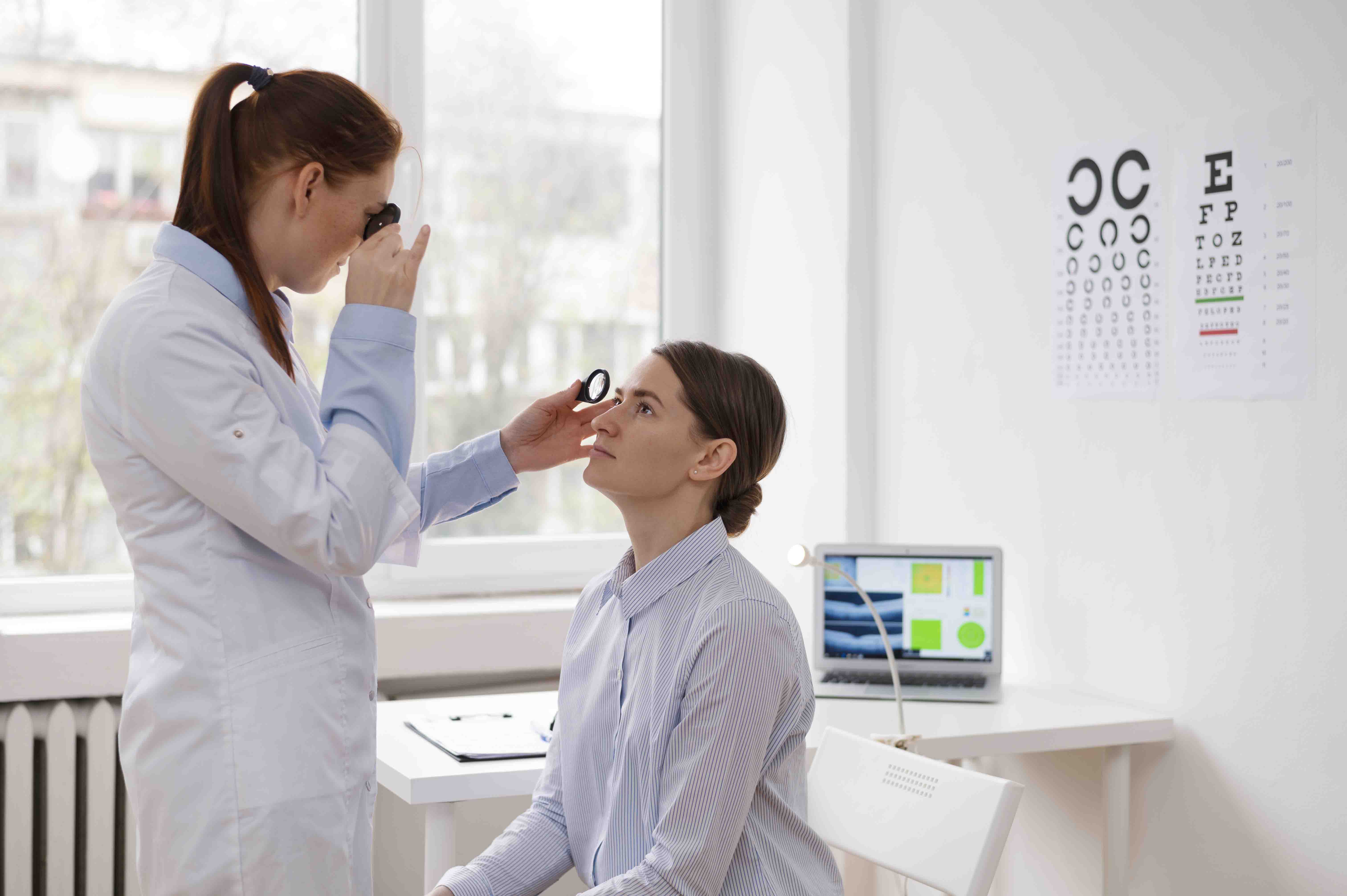
Maintaining good eye health is essential for overall well-being, yet many people neglect regular ophthalmology checkups until they experience vision problems. Routine eye examinations play a crucial role in early disease detection, vision correction, and overall eye health maintenance. Here’s why regular ophthalmology checkups are important for people of all ages.
Early Detection of Eye Diseases
Many eye diseases, such as glaucoma, diabetic retinopathy, and macular degeneration, develop gradually and may not show symptoms in their early stages. By the time noticeable vision impairment occurs, irreversible damage may have already been done. Regular eye exams allow ophthalmologists to detect these conditions early, enabling timely treatment and preventing severe vision loss.
Glaucoma is a group of eye conditions that damage the optic nerve, often due to abnormally high pressure in the eye. Early detection through regular checkups is vital, as vision loss from glaucoma cannot be recovered.
Diabetic retinopathy is a diabetes complication that affects the eyes. It's caused by damage to the blood vessels of the light-sensitive tissue at the back of the eye (retina). Early stages may not present noticeable symptoms, making regular eye exams crucial for individuals with diabetes.
Macular degeneration is an eye disease that can blur central vision. It occurs when aging causes damage to the macula—the part of the eye that controls sharp, straight-ahead vision. Regular checkups can help in early detection and management.
Vision Correction and Updates
For individuals who wear prescription glasses or contact lenses, routine checkups ensure that their vision correction is up-to-date. Over time, vision can change, and an outdated prescription can lead to headaches, eye strain, and difficulty focusing. Regular visits to an ophthalmologist help maintain optimal visual clarity and comfort.
Monitoring Systemic Health Conditions
Eye exams do more than just assess vision; they can also provide insights into systemic health conditions. Diseases such as diabetes, hypertension, and high cholesterol often manifest signs in the eyes before other symptoms appear. An ophthalmologist can detect these issues through a comprehensive eye examination, allowing for early intervention and better management of overall health.
Preventing Digital Eye Strain
In today’s digital age, prolonged screen time has become a common cause of eye strain and discomfort. Regular eye checkups help address symptoms of digital eye strain, including dryness, blurred vision, and headaches. Ophthalmologists can recommend solutions such as specialized lenses, blue light filters, or lifestyle modifications to alleviate discomfort and protect long-term eye health.
Eye Care for All Ages
Regular eye checkups are essential for individuals of all ages. Children require vision screenings to ensure proper eye development and academic performance. Adults need regular exams to monitor changes in vision and eye health, while seniors should undergo frequent checkups to detect age-related eye conditions such as cataracts and macular degeneration.
Recommended Eye Exam Frequency:
-
Children (3-5 years): At least one comprehensive eye exam to check for common issues like amblyopia (lazy eye).
-
School-age children (6-18 years): Before first grade and every two years thereafter if no vision correction is required.
-
Adults (18-60 years): Every two years. Those with vision correction needs or risk factors should consult their eye doctor for personalized recommendations.
-
Seniors (61 and older): Annually, to monitor for age-related eye conditions.