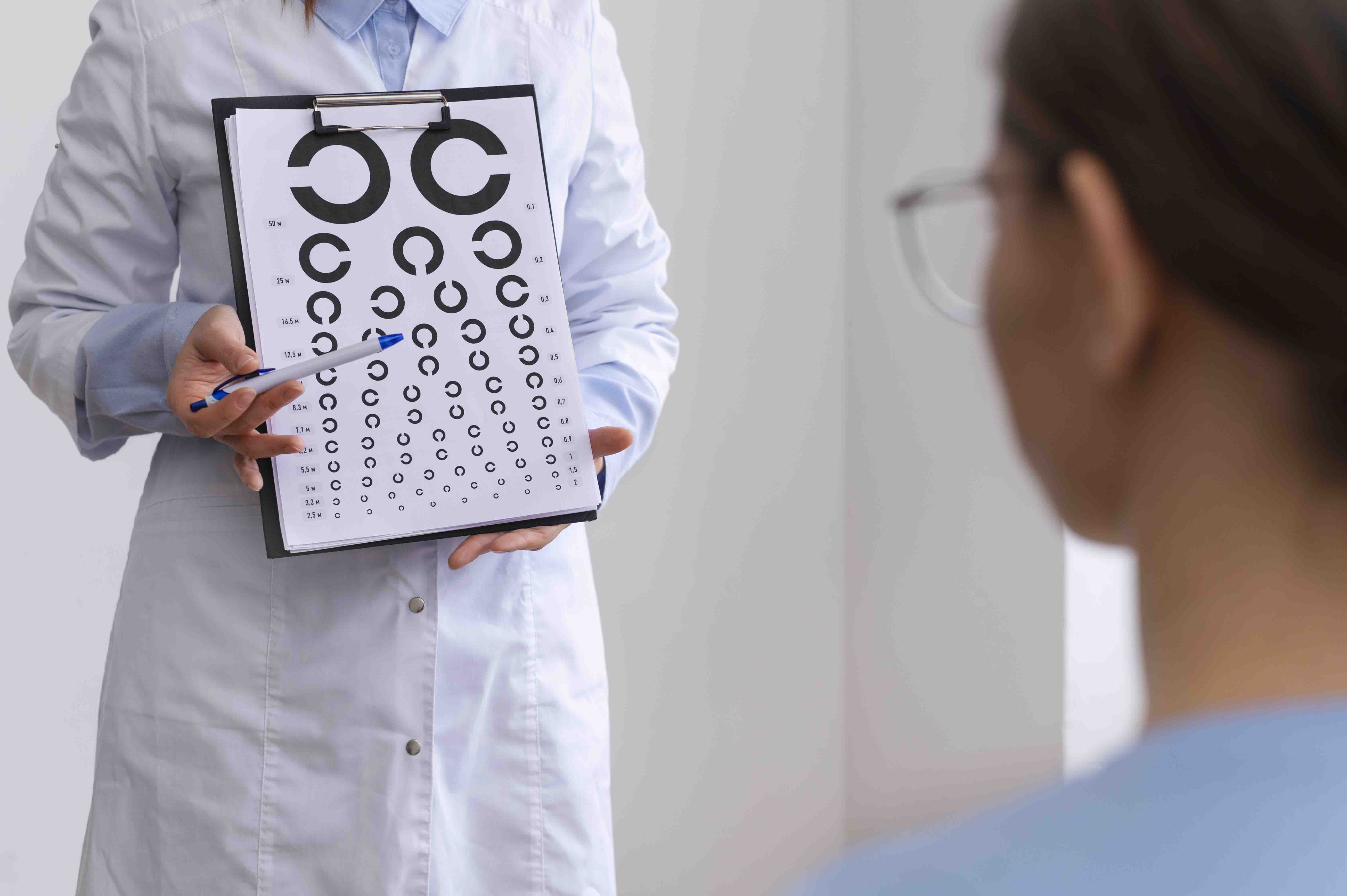
As the season of renewal, spring is the perfect time to refresh your health routines, including your vision care. Just as we clean out our homes and update our wardrobes, it’s important to prioritize our eye health. Regular eye exams play a crucial role in maintaining optimal vision and detecting potential eye diseases early. Let’s explore why scheduling a comprehensive eye exam with your eye doctor this spring is essential for your overall well-being.
The Importance of Regular Eye Exams
Routine eye exams are more than just vision checkups, they serve as a preventive measure against various eye conditions. Many eye diseases, such as glaucoma, macular degeneration, and diabetic retinopathy, develop gradually and may not show symptoms in their early stages. An eye exam can detect these issues early, allowing for timely intervention and treatment. According to the American Academy of Ophthalmology, early detection through regular screenings can significantly improve treatment outcomes.
What to Expect During a Comprehensive Eye Exam
A comprehensive eye exam includes several tests to evaluate your vision and overall eye health. Your optometrist or ophthalmologist may conduct:
-
Visual Acuity Test – Determines how clearly you see at different distances.
-
Refraction Assessment – Helps diagnose refractive errors like nearsightedness, farsightedness, and astigmatism.
-
Eye Pressure Measurement – Screens for glaucoma.
-
Retinal Examination – Assesses the health of the retina and optic nerve.
-
Slit Lamp Exam – Detects signs of cataracts, macular degeneration, and corneal conditions.
These evaluations help in identifying issues that may not present obvious symptoms, ensuring comprehensive eye care.
Who Should Get an Eye Exam?
Everyone benefits from regular eye exams, but certain groups should be especially vigilant:
-
Children – Vision issues can impact learning and development, making early detection crucial.
-
Adults Over 40 – Age-related eye conditions like presbyopia and glaucoma become more common.
-
People with Diabetes or Hypertension – These conditions increase the risk of eye diseases.
Individuals with a Family History of Eye Conditions – Genetics play a significant role in eye health.