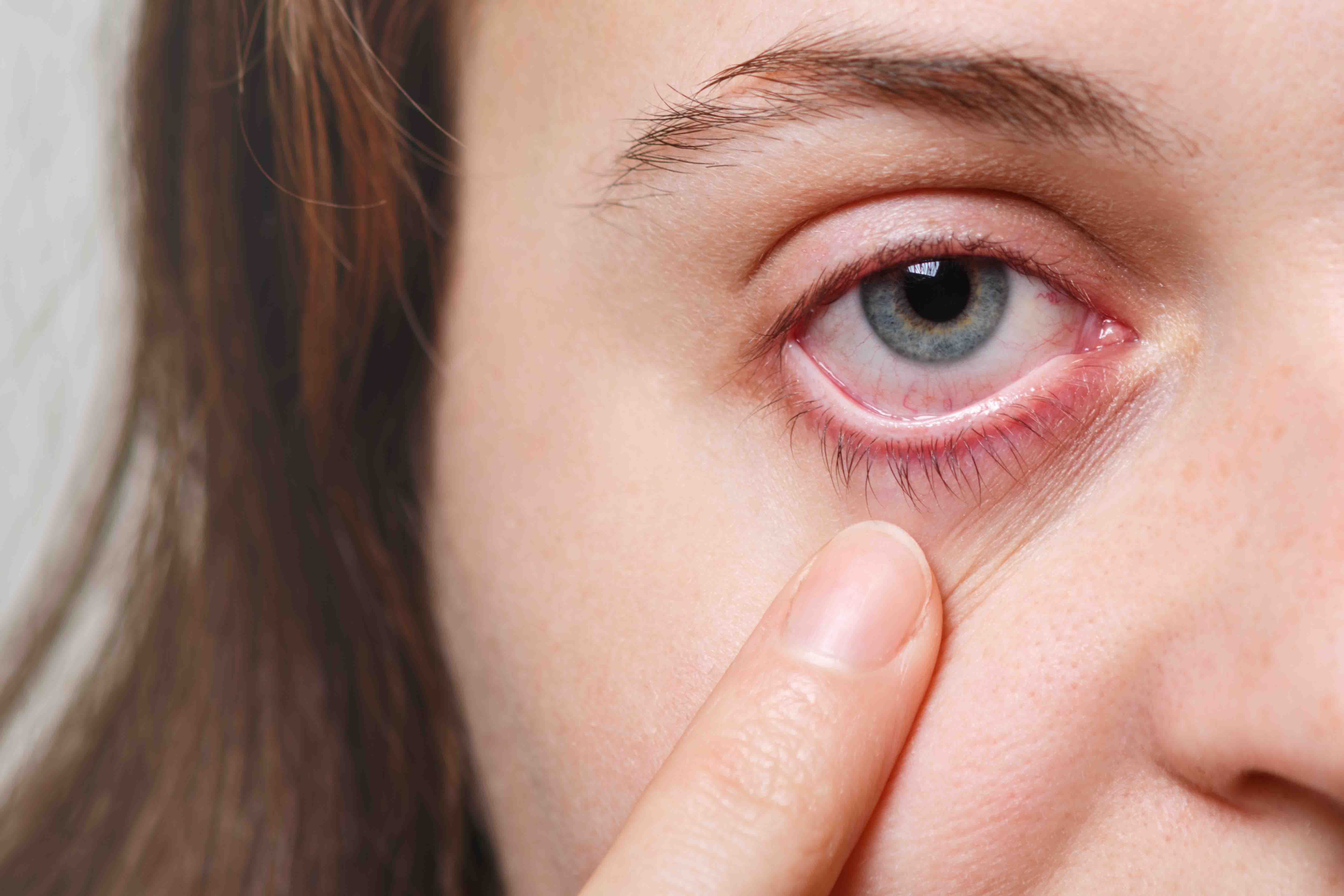
Dry Eye Syndrome (DES) is a common condition that occurs when your eyes do not produce enough tears or when the tears evaporate too quickly. This results in inflammation and discomfort in the eyes. Symptoms of dry eye syndrome include itching, burning, a feeling of grittiness or a foreign body sensation in the eyes, redness, and sometimes blurry vision. For many people, this condition can be annoying and even debilitating if left untreated. Let’s dive into the causes of Dry Eye Syndrome and explore some natural remedies to alleviate its symptoms.
Causes of Dry Eye Syndrome
Several factors can lead to Dry Eye Syndrome, ranging from environmental influences to underlying health conditions.
-
Aging: As people age, tear production tends to decrease. This is particularly common in individuals over 50, and women going through menopause are at a higher risk due to hormonal changes.
-
Environmental Factors: Exposure to dry, windy, or smoky environments can cause tear evaporation. Air conditioning, heating, and long periods of staring at digital screens can also lead to dryness.
-
Medications: Certain medications, like antihistamines, decongestants, antidepressants, and birth control pills, can reduce tear production.
-
Health Conditions: Conditions such as rheumatoid arthritis, lupus, and diabetes can increase the risk of developing dry eyes. Additionally, autoimmune diseases like Sjögren's syndrome affect tear production.
-
Contact Lenses: Long-term use of contact lenses can interfere with tear production and contribute to dryness.
-
Poor Blinking: Inadequate blinking, especially during activities like reading or using a computer, can reduce the spread of tears across the eye, leading to dryness.
Natural Remedies for Dry Eye Syndrome
While medications and over-the-counter eye drops are often used to treat dry eyes, many people prefer to address the condition naturally. Here are some remedies that may help relieve symptoms:
-
Stay Hydrated: Drinking plenty of water throughout the day helps keep your body, including your eyes, well-hydrated. Proper hydration can help maintain the tear production needed to keep the eyes moist.
-
Increase Omega-3 Fatty Acids: Omega-3 fatty acids, found in fish such as salmon, sardines, and mackerel, as well as flaxseeds and walnuts, have anti-inflammatory properties that can support tear production and overall eye health.
-
Use Warm Compresses: Applying a warm compress to your eyes can help open blocked glands that produce the oily layer of your tears. This can help prevent excessive evaporation and soothe the eyes.
-
Practice the 20-20-20 Rule: To combat dry eyes caused by digital device use, follow the 20-20-20 rule: every 20 minutes, take a 20-second break, and look at something 20 feet away. This allows the eyes to rest and prevents dryness from prolonged screen time.
-
Blink More Often: A conscious effort to blink more often can help spread the tear film over the surface of your eyes, preventing them from drying out.
-
Adjust Your Environment: Use a humidifier in your home or office to add moisture to the air. Avoid direct exposure to wind, smoke, and air conditioning. If you’re outdoors, wear wraparound sunglasses to protect your eyes from the elements.
-
Aloe Vera Gel: Aloe vera is known for its soothing properties and can help relieve eye irritation caused by dryness. Applying a small amount of aloe vera gel around the eyes (avoiding direct contact with the eye) may help reduce symptoms.
-
Cucumber Slices: Cucumber slices can cool and hydrate the eyes. They contain antioxidants and have anti-inflammatory properties, making them a refreshing natural remedy for dry eyes.
-
Increase Humidity: Using a humidifier can help prevent the drying effects of air conditioning and heating systems. By maintaining a higher humidity level, your eyes are less likely to dry out in dry environments.
-
Herbal Teas: Herbal teas like chamomile and green tea have anti-inflammatory properties that can help reduce irritation. Drinking them or placing cooled tea bags on your eyes may provide relief.
Conclusion
Dry Eye Syndrome can be an uncomfortable and persistent condition, but it doesn’t have to interfere with your daily life. Understanding its causes and exploring natural remedies, such as staying hydrated, eating foods rich in omega-3 fatty acids, and using warm compresses, can help alleviate symptoms and support eye health. If your symptoms persist, it's important to consult with a healthcare professional to determine the best course of treatment.