Astigmatism is a common refractive error that can significantly impact how clearly you see the world around you. It occurs when the cornea (the clear, dome-shaped surface covering the front of the eye) or the lens inside the eye has an irregular shape. Instead of being round like a basketball, the cornea or lens may be shaped more like a football. This causes light entering the eye to focus on multiple points rather than a single point on the retina, resulting in blurred or distorted vision.
Causes of Astigmatism
Astigmatism is often inherited and can affect one or both eyes. Although the exact cause isn't fully understood, it is believed to be primarily hereditary. In some cases, astigmatism may develop after an eye injury, surgery, or as a result of medical conditions like keratoconus—a condition where the cornea becomes cone-shaped and causes vision distortion.
How Astigmatism Affects Your Vision
Astigmatism can cause several symptoms that affect your daily life:
-
Blurred or Distorted Vision: The most noticeable symptom is the inability to see clearly at all distances. This can affect tasks such as reading, driving, or recognizing faces.
-
Eye Strain and Fatigue: People with astigmatism may experience eye strain as their eyes work harder to focus on objects. This can lead to fatigue after long periods of reading or using a computer.
-
Headaches: Frequent headaches are common due to the constant effort to focus, often triggered by visual discomfort.
-
Difficulty with Night Vision: Astigmatism can make it harder to see in dimly lit environments, which can be particularly problematic when driving at night.
Diagnosing Astigmatism
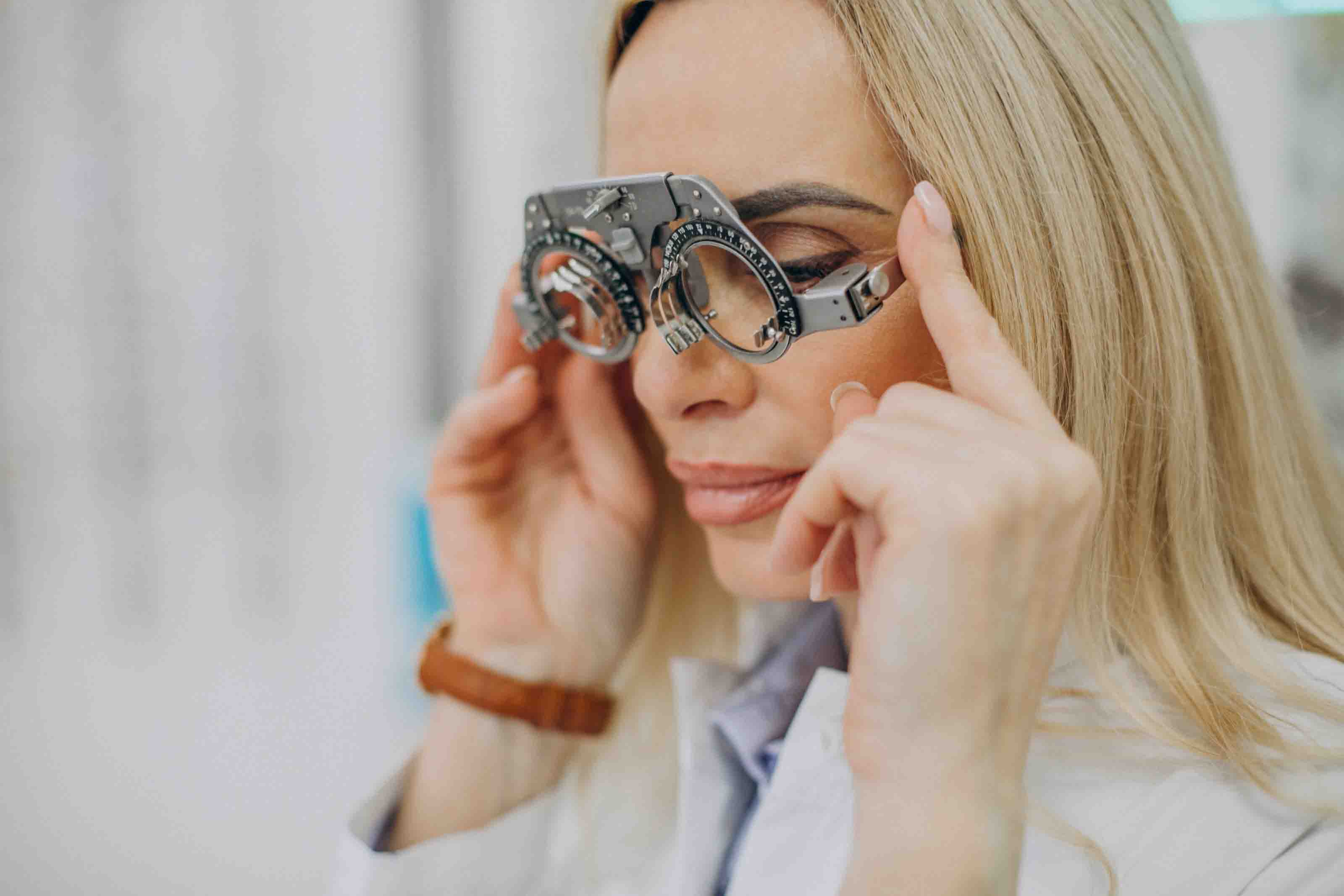
A comprehensive eye exam is the best way to diagnose astigmatism. During the exam, your eye doctor will assess the shape of your cornea and measure how light enters your eye. One common test is the refraction test, where you will look through different lenses to find which one improves your vision.
Treatment Options for Astigmatism
While astigmatism can't be prevented, it can be treated:
-
Eyeglasses and Contact Lenses: Special lenses such as cylindrical lenses correct the refractive error, helping to focus light properly on the retina.
-
Refractive Surgery (LASIK): LASIK reshapes the cornea to correct the irregular curvature. This can reduce or eliminate the need for glasses or contacts, but is not suitable for everyone.
-
Orthokeratology (Ortho-K): Special contact lenses are worn overnight to reshape the cornea temporarily, offering clearer vision during the day without glasses or contacts.
Conclusion
Astigmatism may seem like a minor issue, but it can significantly affect your quality of life. Whether it’s causing blurry vision or headaches, treating astigmatism can help improve your everyday activities. If you notice symptoms, it’s important to consult an eye care professional who can help you find the best treatment for your needs.