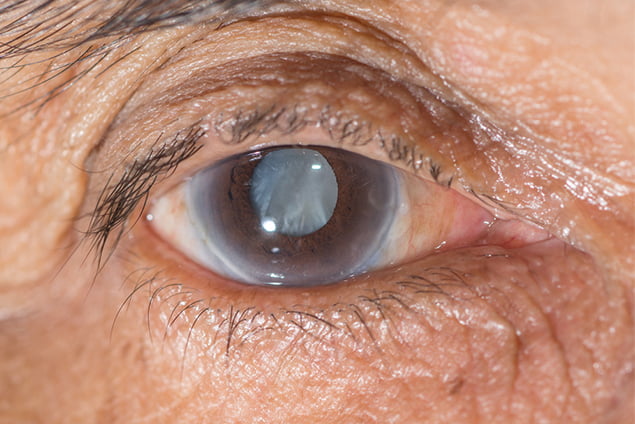
Cataract surgery is one of the most common and successful surgeries performed worldwide. If you have cataracts, understanding the process, recovery, and potential risks can help you feel more confident and prepared. Here's a comprehensive guide to what you can expect before, during, and after cataract surgery.
What is Cataract Surgery?
A cataract is a clouding of the eye’s natural lens, leading to blurry vision. Cataract surgery involves removing this cloudy lens and replacing it with a clear intraocular lens (IOL). This outpatient procedure is typically quick and effective, often improving vision significantly.
Before the Surgery:
-
Pre-Surgery Evaluation:
-
A thorough eye exam to assess the cataract's severity and select the right type of IOL, such as monofocal, multifocal, or toric.
-
An overall health check to ensure you're ready for surgery.
-
-
Instructions:
-
Fasting: Do not eat or drink for several hours before surgery.
-
Medication Adjustments: You may need to stop certain medications.
-
Transportation: Arrange for someone to drive you home after surgery.
-
-
Anesthesia:
-
Cataract surgery is typically performed under local anesthesia, numbing the eye area, with a sedative to help you relax.
-
During the Surgery:
-
Duration: The procedure takes about 15-30 minutes.
-
Steps:
-
A small incision is made in the cornea.
-
The cloudy cataract is broken up and removed using ultrasonic waves.
-
A clear IOL is inserted to replace the natural lens.
-
The incision often heals on its own without the need for stitches.
-
After the Surgery:
-
Recovery Time:
-
You may notice improvements in vision within a few days, but complete recovery usually takes 4-6 weeks.
-
-
Post-Surgery Instructions:
-
Eye Drops: Prescribed to reduce infection and inflammation.
-
Protect Your Eye: Wear an eye shield or patch while sleeping during the initial healing period.
-
Avoid Straining: Refrain from heavy lifting or bending over.
-
-
Follow-Up Appointments:
Regular checkups are essential to monitor healing and ensure optimal results.
Recovery Tips:
-
Rest: Prioritize relaxation in the first few days.
-
Avoid Water Exposure: Avoid showering directly under water and refrain from swimming for several weeks.
-
Protect Your Eye: Sunglasses can shield your eye from UV light and dust.
-
Watch for Signs of Infection: Seek medical attention if you experience pain, redness, or discharge.
Conclusion:
Cataract surgery is a safe and effective way to restore your vision. By following your doctor's advice and adhering to recovery instructions, you can ensure the best possible outcome. For personalized advice, always consult with your ophthalmologist.