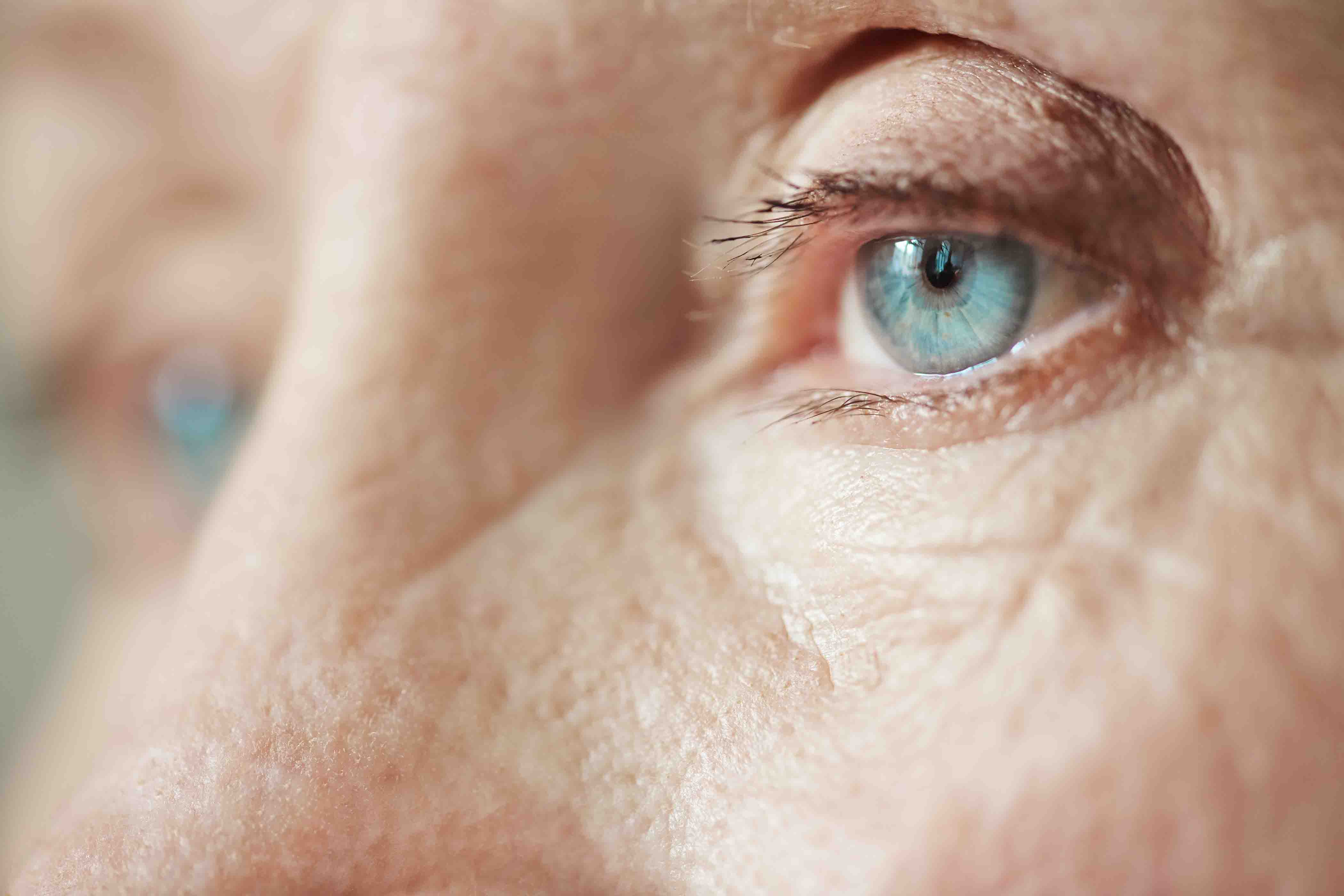
Glaucoma is a group of eye diseases that gradually damage the optic nerve, often due to elevated intraocular pressure (IOP). This damage can lead to irreversible vision loss if left untreated. As one of the leading causes of blindness worldwide, early detection and effective treatment are critical to managing the condition and preserving vision. In this article, we will explore the risk factors for glaucoma, its symptoms, and the various treatment options available.
What is Glaucoma? Glaucoma occurs when the pressure inside the eye, known as intraocular pressure (IOP), becomes too high for the optic nerve to handle. The optic nerve is responsible for transmitting visual information from the eye to the brain. Elevated pressure can damage the nerve fibers, leading to progressive vision loss. There are different types of glaucoma, the most common being open-angle glaucoma and angle-closure glaucoma.
Risk Factors for Glaucoma While anyone can develop glaucoma, certain factors increase the likelihood of developing the condition. These include:
-
Age: People over the age of 60 are more likely to develop glaucoma, especially if they have a family history of the disease.
-
Family History: Having a close relative, such as a parent or sibling, with glaucoma significantly increases the risk. Genetic factors play a role in the development of the disease.
-
Ethnicity: Certain ethnic groups are more prone to developing glaucoma. African Americans, for example, are at higher risk for developing open-angle glaucoma, often at a younger age, while people of Asian descent have a higher risk for angle-closure glaucoma.
-
High Intraocular Pressure (IOP): Elevated eye pressure is the most significant risk factor for glaucoma. However, some people with normal IOP may still develop glaucoma, a condition known as "normal-tension glaucoma."
-
Other Medical Conditions: Conditions such as diabetes, high blood pressure, and heart disease may increase the risk of glaucoma. Additionally, long-term use of corticosteroids can also increase the likelihood of developing the disease.
-
Previous Eye Injuries: Traumatic eye injuries can increase the risk of developing glaucoma, sometimes years after the injury occurs.
-
Thin Corneas: People with thin corneas are more susceptible to developing glaucoma due to the lower resistance to increased eye pressure.
Symptoms of Glaucoma Glaucoma is often referred to as the "silent thief of sight" because it typically progresses without noticeable symptoms in the early stages. As the disease advances, individuals may experience:
-
Loss of Peripheral Vision: This is often one of the first signs, leading to tunnel vision.
-
Blurry Vision: Some people may experience difficulty seeing objects clearly, particularly in low-light conditions.
-
Halos Around Lights: People with glaucoma may see rainbow-colored halos around lights.
-
Severe Eye Pain: This may occur in acute forms of glaucoma, particularly angle-closure glaucoma.
-
Headaches and Nausea: In some cases, patients may experience headaches, nausea, and vomiting, especially if the condition is not diagnosed or treated promptly.
Treatment Options for Glaucoma While there is no cure for glaucoma, various treatment options can help manage the disease and prevent further vision loss. The goal of treatment is to reduce intraocular pressure (IOP) and prevent damage to the optic nerve.
-
Medications
Eye drops are often the first line of treatment for glaucoma. These medications work by reducing the production of fluid in the eye or increasing its drainage. Some common medications include:-
Prostaglandin analogs
-
Beta-blockers
-
Alpha agonists
-
Carbonic anhydrase inhibitors
-
-
Laser Treatment
Laser therapy can be an effective treatment for certain types of glaucoma, such as Laser Trabeculoplasty for open-angle glaucoma and Laser Iridotomy for angle-closure glaucoma. -
Surgical Treatment
If medications and laser treatments do not adequately control IOP, surgery may be necessary. Surgical procedures include:-
Trabeculectomy
-
Tube Shunt Surgery
-
Minimally Invasive Glaucoma Surgery (MIGS)
-
Prevention and Early Detection The best way to prevent glaucoma-related vision loss is through regular eye exams. Since glaucoma often presents with no symptoms in its early stages, regular eye checkups are essential for early detection. Your eye doctor can measure IOP, examine the optic nerve, and conduct other tests to determine if you have glaucoma.
Conclusion Glaucoma is a serious condition that can cause permanent vision loss if not managed properly. Understanding the risk factors and seeking early treatment are key to maintaining healthy vision. With advancements in medical treatments and surgery, people with glaucoma can lead full and active lives while managing their condition effectively.
FAQs
-
What are the first signs of glaucoma?
-
Glaucoma often begins with a gradual loss of peripheral vision, which can go unnoticed until the condition is advanced.
-
-
How is glaucoma diagnosed?
-
Diagnosis involves measuring intraocular pressure (IOP), examining the optic nerve, and conducting visual field tests.
-
-
Can glaucoma be prevented?
-
While there is no guaranteed prevention, regular eye exams and early detection can help prevent vision loss.
-
-
What lifestyle changes can help with glaucoma?
-
Maintaining a healthy diet, exercising regularly, and avoiding smoking can contribute to overall eye health.
-
-
How does age affect the risk of glaucoma?
-
The risk of glaucoma increases significantly after the age of 60.
-