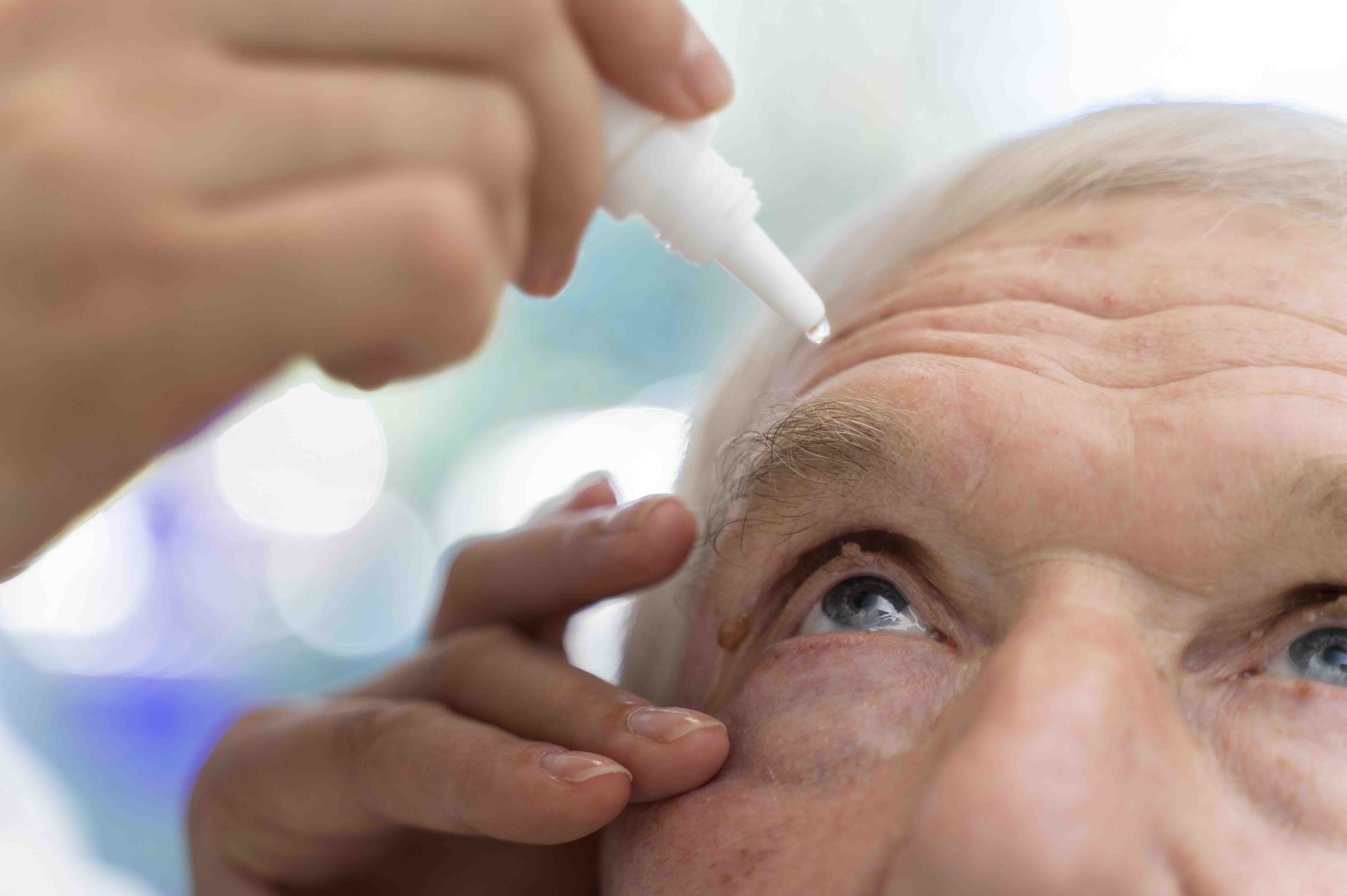
Diabetic retinopathy is a serious eye condition caused by damage to the blood vessels in the retina, often occurring as a complication of diabetes. Early detection is crucial as it can prevent vision loss and help manage the condition more effectively. Recognizing the early signs can significantly reduce the risk of severe damage.
Here are the key early signs to watch for:
-
Blurry Vision
One of the first signs of diabetic retinopathy is blurred vision. This occurs when blood vessels in the retina leak fluid, causing swelling and affecting vision. Blurry vision may appear intermittently or worsen over time, so it’s important to get an eye exam right away. -
Floaters
Floaters are tiny specks or cobweb-like shapes that float across your field of vision. They happen when blood vessels in the retina leak fluid or blood into the vitreous gel, creating shadows. Though floaters can be a normal part of aging, sudden or increased floaters may indicate diabetic retinopathy. -
Difficulty Seeing at Night
Diabetic retinopathy can make it hard to see clearly in low-light conditions, such as at night. Damage to the retina’s light-sensing cells can impair vision in dim environments. -
Color Distortion
If you experience fading or distorted colors, it could be an early sign of diabetic retinopathy. This happens when the retina’s ability to process visual information becomes impaired. -
Vision Loss
While vision loss typically occurs later, subtle changes in vision—like a gradual loss of peripheral (side) vision—can occur earlier in the condition. -
Sudden Loss of Vision
In rare cases, sudden vision loss occurs when blood vessels in the retina bleed heavily or the macula swells. This is an emergency situation and requires immediate medical attention. -
Eye Pain or Pressure
Some individuals with diabetic retinopathy may experience eye pain or a feeling of pressure, typically due to bleeding or retinal detachment. If this happens, consult an eye care professional immediately.
What to Do Next
If you notice any of these early signs, schedule an eye exam as soon as possible. Regular eye checkups are crucial for detecting diabetic retinopathy early, allowing for timely intervention. Proper diabetes management is key to preventing progression, along with regular eye care.
Early detection can significantly reduce the risk of blindness, so being proactive about your eye health is essential.