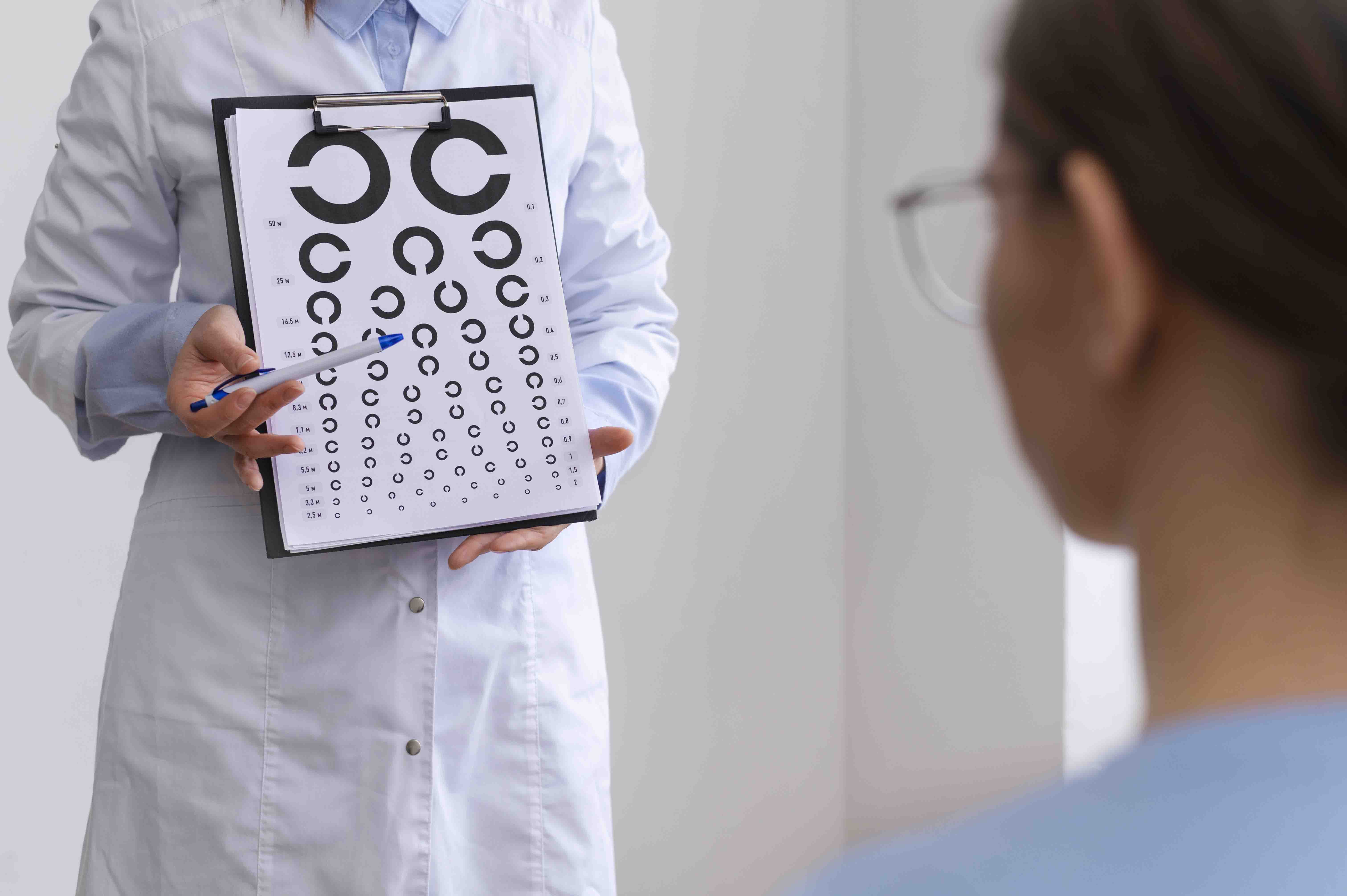
When most people think of an eye exam, they imagine reading letters off a chart. While this is a key part of assessing visual acuity, it’s far from the whole picture. Visual acuity refers to the sharpness and clarity of vision how well your eyes can distinguish shapes and details at a given distance.
But seeing clearly at 20 feet doesn’t always mean your vision is perfect.
Visual acuity is influenced by a variety of factors including light sensitivity, contrast detection, focus, and even how well your brain processes visual information. That’s why eye doctors also test for things like contrast sensitivity, color vision, depth perception, and refractive errors during a comprehensive eye exam.
Poor visual acuity can be a sign of underlying eye conditions such as cataracts, glaucoma, or macular degeneration. Regular testing helps detect issues early, even if you think your vision is fine.
In short, visual acuity is just one piece of the puzzle in maintaining long-term eye health. Don’t skip your routine eye checkups your vision depends on it.