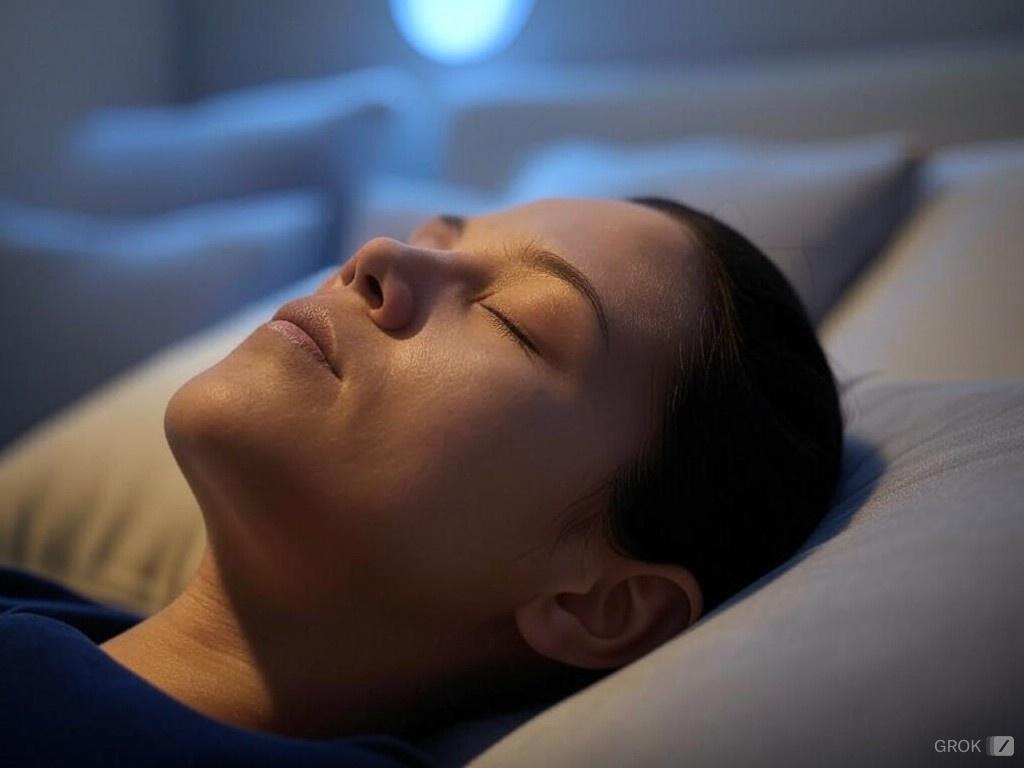
In our hustle-driven world, sleep often gets sacrificed for productivity or leisure. However, the importance of sleep extends far beyond merely feeling refreshed; it plays a crucial role in maintaining our overall health, including the health of our eyes. Here's how quality sleep can influence your eye health.
The Science of Sleep and Eye Health
Repair and Restoration: While you sleep, your body undergoes repair and restoration at a cellular level. This includes the eyes. The eyelids close during sleep, which helps lubricate the eyes by spreading tears across the surface. This reduces the risk of dry eye syndrome, which can lead to discomfort, inflammation, and even vision problems if not managed.
Detoxification: Sleep facilitates the removal of toxins from the brain and eyes. The glymphatic system, more active during sleep, helps clear out toxins that can accumulate in the eyes, potentially preventing conditions like macular degeneration.
Vision Clarity: Good sleep is linked to better visual acuity. Lack of sleep can cause blurred vision, eye strain, and even temporary difficulty in focusing, as the muscles controlling the eye's lens need rest to function optimally.
Reducing Eye Strain: For those who spend long hours in front of screens, sleep is vital in reducing digital eye strain. It gives the eyes a break from the continuous effort of focusing on close-up work, which can prevent issues like computer vision syndrome.
Specific Eye Conditions Influenced by Sleep
-
Dry Eye Disease: Insufficient or poor-quality sleep can exacerbate dry eye symptoms because less sleep means less time for the eyes to be naturally lubricated by closed eyelids.
-
Glaucoma: There's evidence suggesting that sleep disturbances might correlate with higher intraocular pressure, a risk factor for glaucoma, although more research is needed to understand this relationship fully.
-
Floaters: While not directly caused by sleep, getting enough rest can help manage the perception of floaters by reducing eye strain and enhancing the brain's capacity to filter out these visual anomalies.
-
Vision Recovery Post-Surgery: After eye surgeries like LASIK, adequate rest is crucial for healing and reducing complications.
How to Ensure Quality Sleep for Better Eye Health
-
Establish a Sleep Routine: Go to bed and wake up at the same time each day to regulate your body's internal clock.
-
Create a Restful Environment: Ensure your bedroom is conducive to sleep - dark, quiet, and cool. Consider using eye masks if light is an issue.
-
Limit Screen Time Before Bed: Blue light from screens can interfere with melatonin production, making it harder to fall asleep. Try to avoid screens for at least an hour before bedtime.
-
Mind Your Diet: Certain foods can promote better sleep, like those rich in magnesium or tryptophan. Avoid stimulants like caffeine or sugar close to bedtime.
-
Physical Activity: Regular exercise can help you fall asleep faster and enjoy deeper sleep, but avoid vigorous workouts too close to bedtime.
-
Manage Stress: Techniques like meditation, deep breathing, or even writing down worries before bed can help calm the mind.
Conclusion
Sleep is not just a luxury; it's a necessity for eye health. By prioritizing quality sleep, you're not only preventing potential eye conditions but also ensuring your eyes function at their best. Remember, when you rest your eyes, you're giving your body the opportunity to heal, rejuvenate, and prepare for another day of clear, comfortable vision. So next time you think about burning the midnight oil, consider how those extra hours of sleep could be the best thing for your eyes.