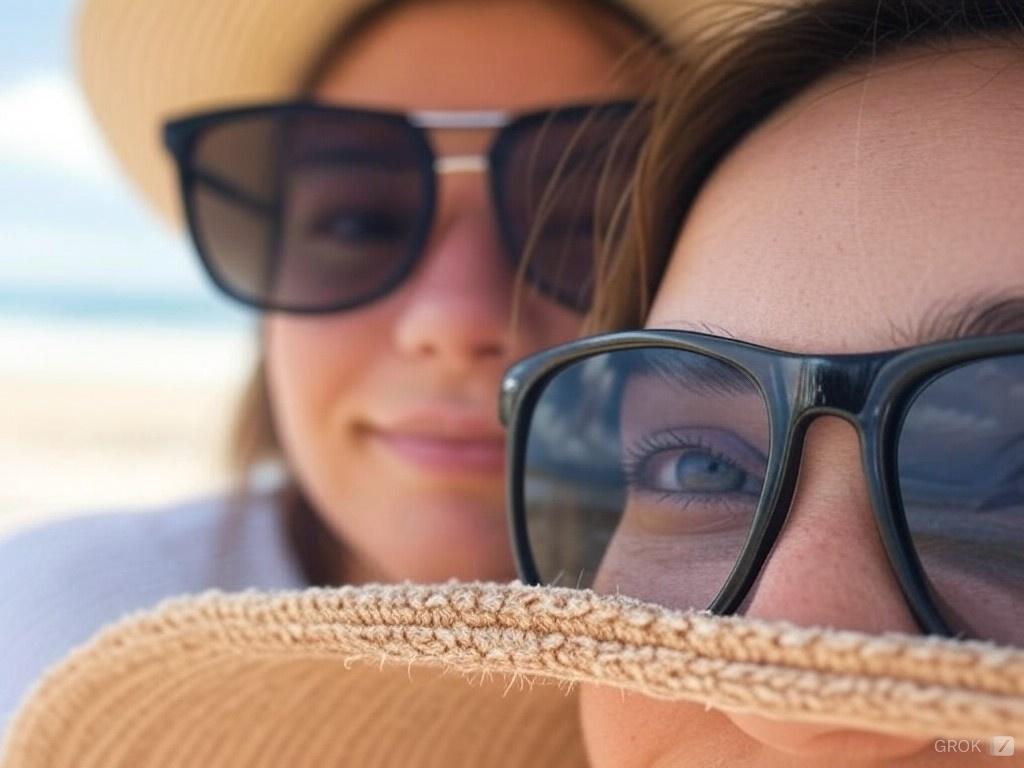
Every day, as we go about our activities, our eyes are exposed to ultraviolet (UV) radiation from the sun. While we often think of UV rays in terms of skin health and the risk of sunburn, their impact on our eyes is equally significant. This article explores how UV radiation affects eye health and outlines essential protective measures to safeguard your vision.
Understanding UV Radiation
UV radiation is part of the electromagnetic spectrum that reaches the Earth from the sun. It's divided into three types: UVA, UVB, and UVC, with UVA and UVB being relevant to eye health. UVA rays can penetrate the cornea and reach the lens, while UVB rays predominantly affect the external eye tissues.
Effects of UV Radiation on Eye Health
-
Cataracts - Long-term exposure to UV rays increases the risk of cataracts, where the lens of the eye becomes cloudy, leading to blurred vision. UVB rays are particularly harmful in this context.
-
Photokeratitis - Often referred to as "snow blindness" or "welder's flash," this is a painful eye condition similar to a sunburn of the cornea. It's caused by intense, short-term exposure to UVB rays, like those reflected off snow, sand, or water.
-
Pterygium and Pinguecula - These are growths on the conjunctiva, potentially leading to vision problems if they encroach on the cornea. UV exposure is a known risk factor.
-
Macular Degeneration - There's evidence suggesting that UV exposure might contribute to the development or progression of age-related macular degeneration (AMD), a leading cause of vision loss among older adults.
-
Ocular Melanoma - Though rare, UV radiation can increase the likelihood of developing this type of eye cancer.
Protective Measures Against UV Radiation
Here are some strategies to protect your eyes:
-
Wear Sunglasses: Choose sunglasses that block 99-100% of both UVA and UVB rays. Look for labels that say "UV400" or "100% UV protection." Wraparound styles offer additional protection by blocking light from the sides.
-
Hats: Wide-brimmed hats can shield your eyes from above and reduce the amount of UV radiation that reaches them.
-
Stay in the Shade: Particularly between 10 a.m. and 4 p.m., when UV radiation is at its peak. However, remember that UV rays can reflect off surfaces like water, sand, and concrete, so shade alone isn't always sufficient.
-
UV Protective Contact Lenses: Some contact lenses now offer UV protection. However, they do not cover the whole eye area; thus, should be used in conjunction with sunglasses.
-
Limit Exposure During Peak Hours: If possible, schedule outdoor activities outside the peak UV hours.
-
Children's Eye Protection: Children's eyes are more susceptible to UV damage because their lenses are less effective at filtering UV light. Ensure they wear UV-protective eyewear and hats.
-
Regular Eye Exams: Regular check-ups can help detect conditions like cataracts early, especially if you spend a lot of time outdoors.
Lifestyle Considerations
-
Avoid Tanning Beds: Tanning beds emit UV rays, which can harm your eyes just like sunlight.
-
Supplements: Some studies suggest that nutrients like lutein, zeaxanthin, and omega-3 fatty acids might help protect eye health from UV damage.
In conclusion, while we can't escape UV radiation entirely, understanding its effects and taking proactive steps can significantly reduce the risks to your eye health. By integrating these protective measures into your daily life, you can enjoy the sun safely and maintain your vision for years to come. Remember, your eyes are precious - give them the protection they deserve.