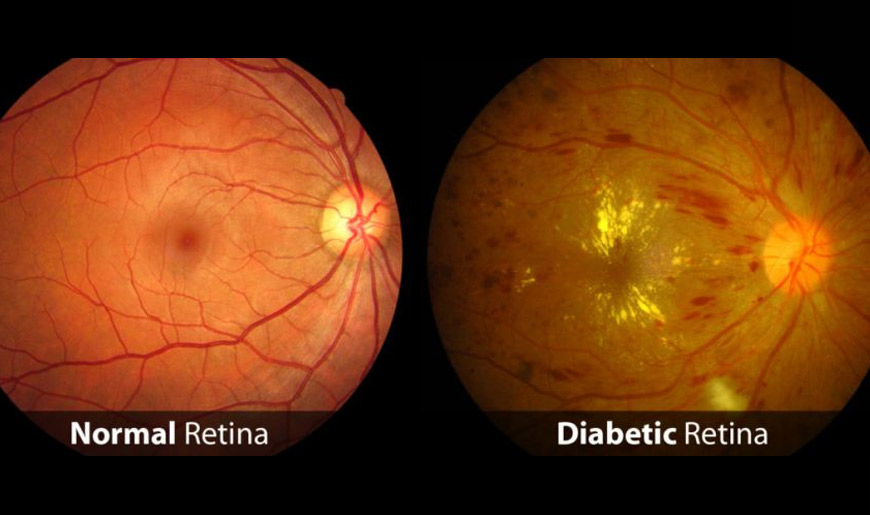
Diabetic retinopathy is a common complication of diabetes that affects the eyes. It occurs when high blood sugar levels damage the blood vessels in the retina, leading to vision problems and, in severe cases, blindness. Early detection and effective diabetes management are key to preventing or slowing the progression of this condition.
Symptoms of Diabetic Retinopathy
In the early stages, diabetic retinopathy may not show any symptoms. As it progresses, you might experience blurred vision, dark spots, floaters, or difficulty seeing at night. If left untreated, it can cause irreversible vision loss.
Managing Diabetes for Eye Health
The best way to prevent diabetic retinopathy is through consistent diabetes control. Monitor your blood sugar levels regularly, maintain a healthy diet, exercise, and take medications as prescribed. Keeping your blood pressure and cholesterol in check also helps reduce the risk.
Regular Eye Exams Are Crucial
People with diabetes should undergo a comprehensive dilated eye exam at least once a year. Early detection allows timely treatment through laser therapy, injections, or surgery to preserve vision.
Conclusion
Managing your diabetes is not just about blood sugar it's also about protecting your eyesight. With proper care, you can reduce your risk of diabetic retinopathy and maintain good vision for life.