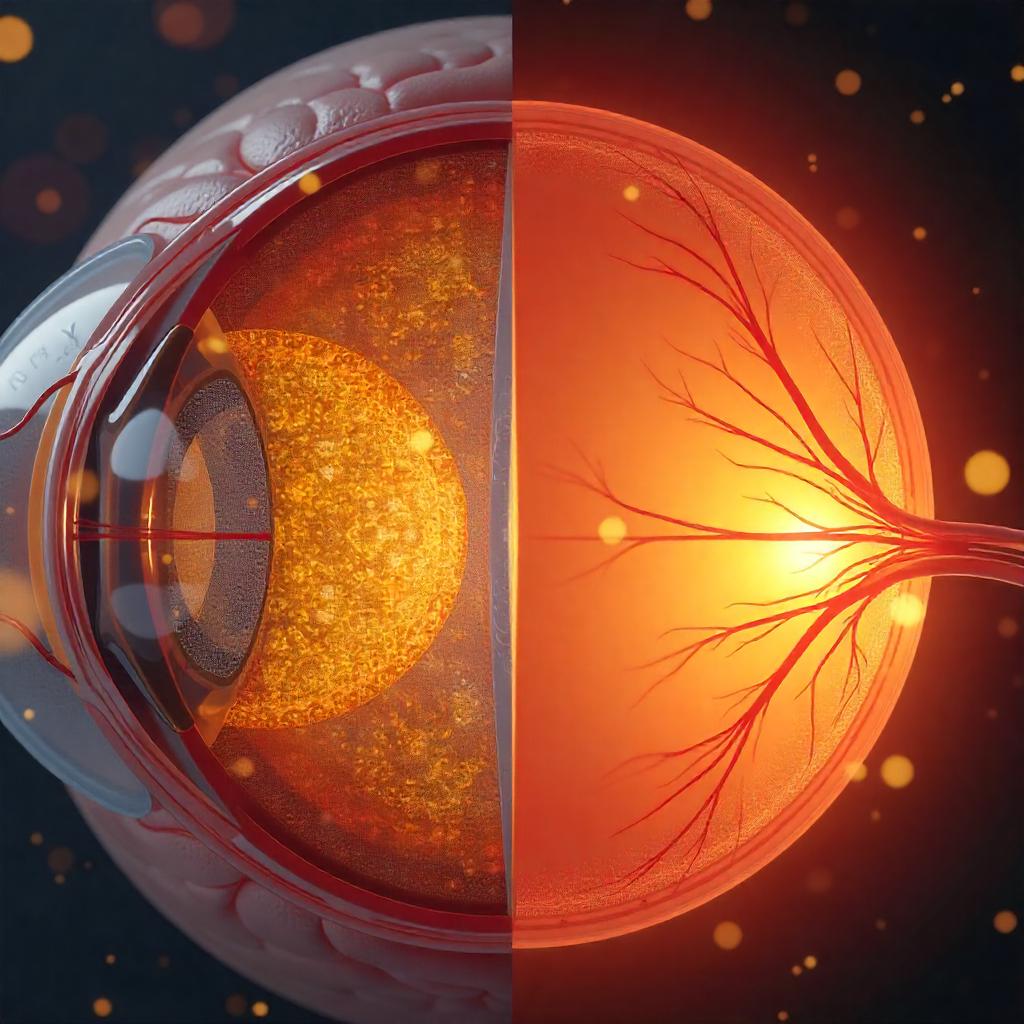
Macular degeneration is a leading cause of vision loss, primarily affecting people over 50. It occurs in two forms: dry (atrophic) and wet (neovascular). Understanding their differences can help in recognizing symptoms and seeking timely treatment.
Dry Macular Degeneration
This is the more common type, accounting for 85–90% of cases. It develops gradually as the macula, the central part of the retina, thins over time. Small yellow deposits called drusen accumulate under the retina, leading to a slow loss of central vision. Patients may experience difficulty reading, recognizing faces, or seeing fine details. There is currently no cure, but treatments like lifestyle changes, vitamin supplements, and regular monitoring can help slow progression.
Wet Macular Degeneration
Though less common, wet macular degeneration is more severe and progresses rapidly. It occurs when abnormal blood vessels grow beneath the retina and leak fluid or blood, causing sudden central vision loss or distortion. Straight lines may appear wavy, or blind spots might develop. Treatments include anti-VEGF injections, laser therapy, and photodynamic therapy, which aim to stop further vision loss and, in some cases, restore some sight.
In summary, dry macular degeneration develops slowly and is less severe, while wet macular degeneration progresses quickly and can cause significant vision loss without prompt treatment. Regular eye check-ups are crucial for early detection and management.