What is Visual Acuity?
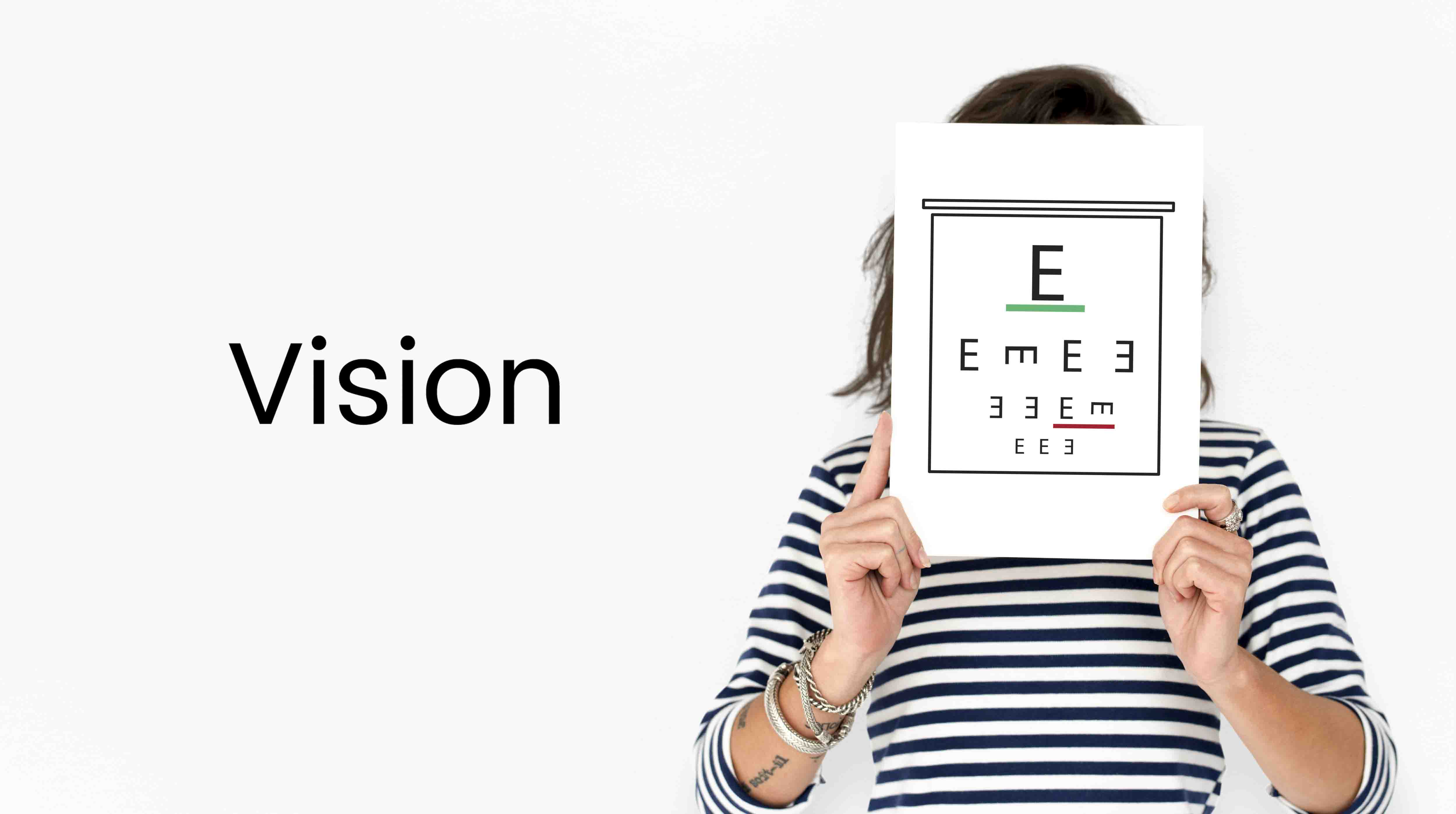
Visual acuity refers to the sharpness or clarity of your vision. It’s the measure of how well you can see and distinguish objects at varying distances, often tested using an eye chart. This measure is crucial in diagnosing vision problems and determining the need for corrective lenses. During your eye exam, your visual acuity is checked at a distance of 20 feet standard for measuring sharpness of vision.
Decoding 20/20 Vision 20/20 vision is the standard benchmark for sharpness, meaning you can see clearly at 20 feet what someone with normal vision can also see at that distance. But this does not account for peripheral vision, depth perception, contrast sensitivity, or color vision. all essential aspects of how we experience the world visually.
The Limits of 20/20 Vision While having 20/20 vision is often considered ideal, it doesn't measure everything that contributes to a person’s visual health:
-
Peripheral Vision: This is your side vision, which helps you detect movement or objects outside of your central focus area. It's vital for daily activities like driving or navigating crowded places.
-
Depth Perception: Crucial for activities like judging distances while driving or playing sports, it is not reflected in your 20/20 score.
-
Contrast Sensitivity: This refers to how well you can see objects in dim lighting or low contrast. The ability to detect road signs at night or differentiate objects in dark settings relies on this ability.
-
Color Vision: 20/20 vision doesn't assess your ability to distinguish colors. Disorders like color blindness affect people’s ability to see certain hues.
Factors Affecting Visual Acuity Several factors can influence the quality of your visual acuity, even if you have 20/20 vision:
-
Age: As we age, conditions like presbyopia (difficulty focusing on close objects) and cataracts can degrade visual acuity.
-
Health Conditions: Systemic diseases like diabetes or high blood pressure can affect eye health, leading to issues such as macular degeneration or glaucoma.
-
Lifestyle Factors: Screen time, environmental lighting, and diet all play a role in visual health. Chronic dry eyes from screen use can blur vision, affecting even those with good acuity.
Enhancing Your Visual Acuity To improve or maintain sharp vision, consider the following tips:
-
Regular Eye Exams: Routine eye checkups are essential for early detection of issues like glaucoma or cataracts, ensuring that any potential problems are addressed promptly.
-
Proper Eye Protection: Use sunglasses to shield eyes from harmful UV rays, and work in well-lit environments to reduce strain.
-
Healthy Lifestyle Choices: Eating nutrient-rich foods and staying hydrated can help prevent vision deterioration. Regular breaks from screens also reduce eye strain.
Conclusion
Visual acuity is just one part of your eye health, and while 20/20 vision is often the gold standard, other factors like peripheral vision, depth perception, and color differentiation are crucial to overall eye function. Regular eye exams and healthy lifestyle choices can help ensure your vision remains sharp.